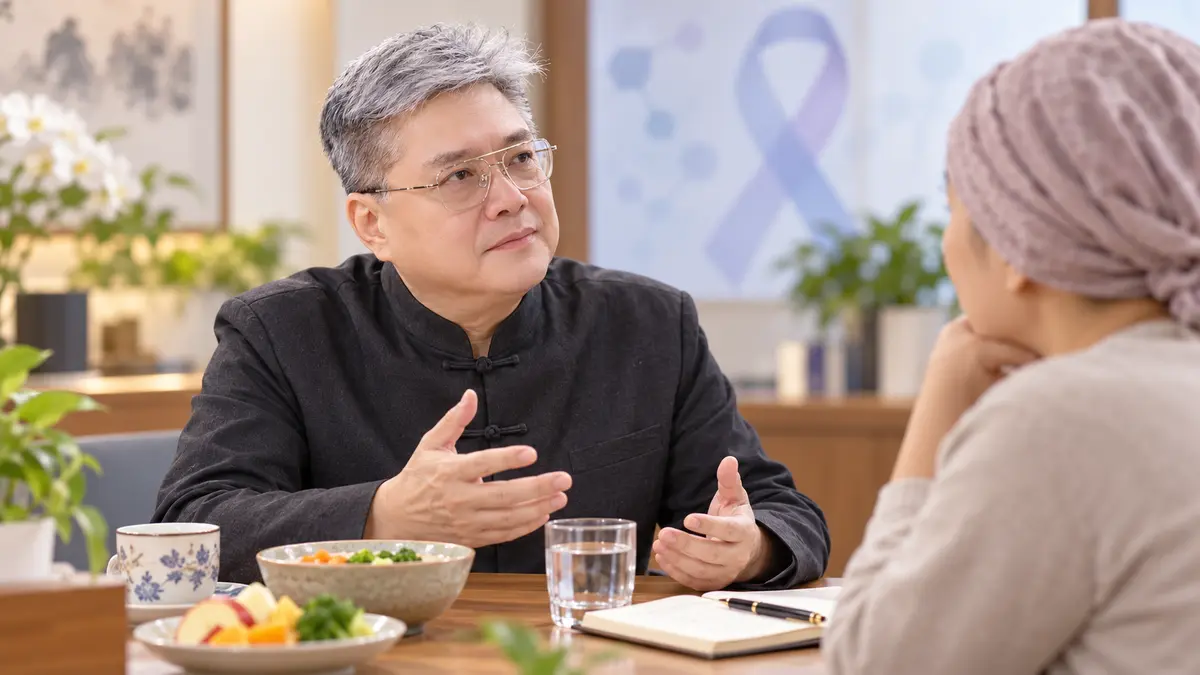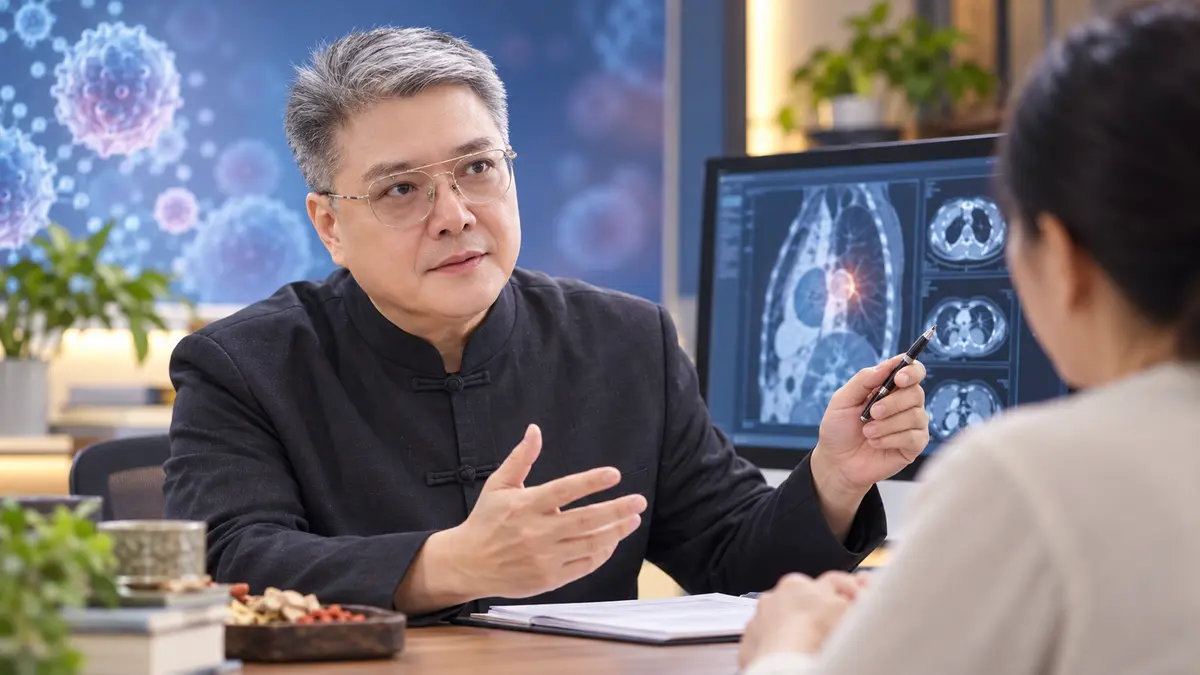
Cancer is a large group of diseases. Tumours arising in different organs, at different stages and with different biological features can behave very differently and have very different outcomes. Medical progress has enabled earlier detection of some cancers and more precise surgery, radiotherapy, drug treatment and immunotherapy. Some screening programmes can also detect very slow-growing abnormalities that may never have caused harm during a person’s lifetime; this is known as overdiagnosis. It does not mean that most early cancers can safely be ignored or that biopsy, staging or treatment should be abandoned.
Treatment should be based on the cancer type, stage, molecular features, the person’s overall health and informed preferences. Age alone is not a reason to withhold chemotherapy, radiotherapy or surgery. Clinicians consider fitness, other illnesses, likely benefit and possible harms when tailoring care. Claims that an “acidic body” causes cancer, or that an alkaline diet can change blood pH and treat cancer, are not supported by reliable medical evidence.
TCM may be considered as supportive care during standard cancer treatment, including assessment of appetite, sleep, fatigue, nausea and other treatment-related discomfort. It should not be presented as a stand-alone method for eliminating cancer cells or as a replacement for surgery, radiotherapy or medicines. Herbs may interact with anticancer agents, anticoagulants and other drugs, so the oncology team should be informed before they are used. The most useful response to cancer is neither panic nor false reassurance, but an accurate diagnosis, proper staging and an evidence-based plan developed with the healthcare team.
After a new diagnosis, patients can ask about the pathology, stage, treatment goal, expected benefit and common side effects. A second opinion is reasonable in complex cases. Written questions and a trusted companion can make choices easier to understand under stress and reduce rushed acceptance or refusal.