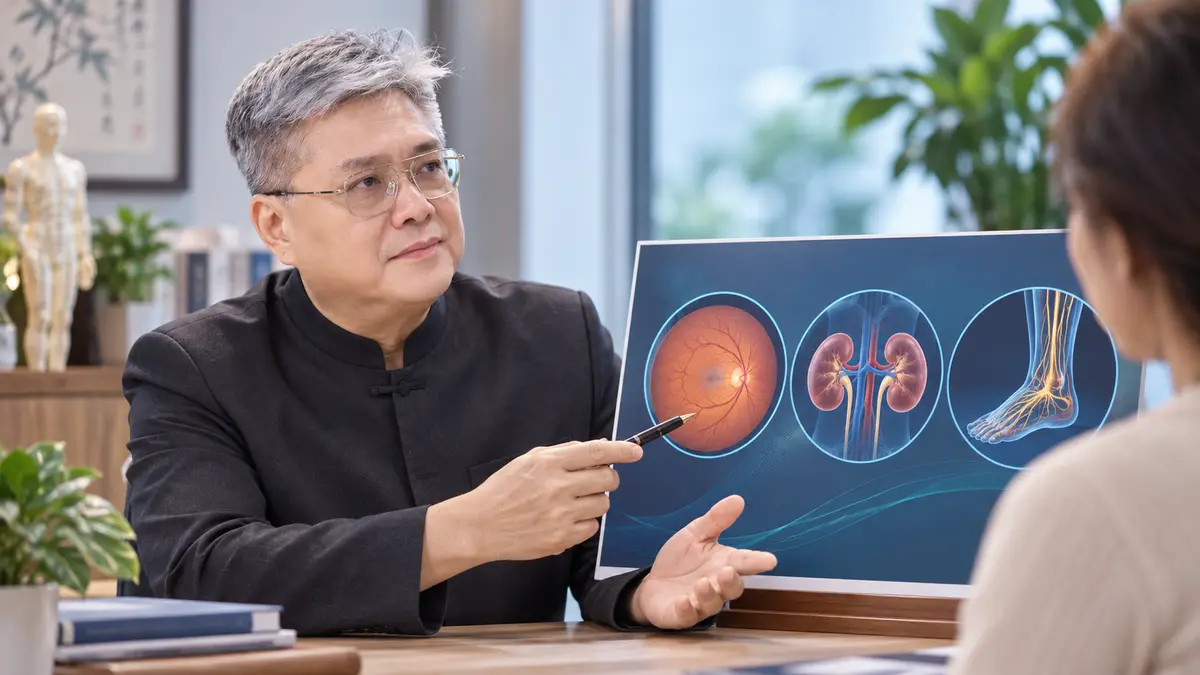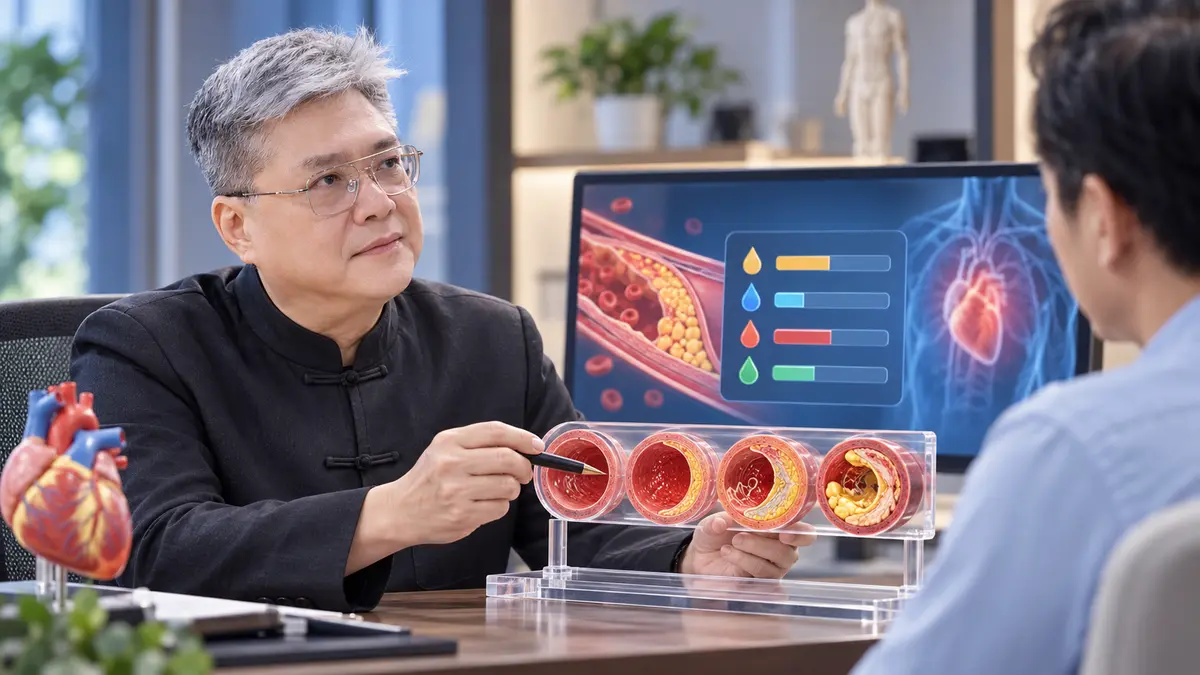
Cholesterol is needed by the body, but persistently high levels of certain lipoproteins can promote cholesterol accumulation in artery walls. This process often causes no symptoms for years until angina, heart attack, stroke or peripheral arterial disease develops. Feeling well does not prove that lipid levels are safe.
Risk assessment considers LDL cholesterol, other lipids, age, blood pressure, diabetes, smoking, family history and previous cardiovascular disease. Food choices, activity, weight management and avoiding tobacco matter; people at higher risk may also need lipid-lowering medicine. Stopping or changing treatment should be based on review and testing, not claims that a food or supplement can “clean the arteries”.
TCM may support diet, sleep, digestion and general lifestyle management, but it cannot remove established arterial plaque or replace medicines with a clear indication. Sudden chest pain, breathlessness, one-sided weakness or speech difficulty requires emergency care.
Dietary changes may focus on avoiding trans fats, reducing excess saturated fat and adding vegetables, whole grains, legumes, nuts and suitable soluble fibre. Some people still need medicine because of genetics or established disease despite a healthy lifestyle; treatment should not be framed as personal failure.