Women’s sleep is influenced by both life stage and daily pressures. Premenstrual mood changes, period pain, pregnancy discomfort, postnatal caring, and perimenopausal hot flushes or night sweats may make it harder to fall or stay asleep. Anaemia, thyroid disease, anxiety, depression and sleep apnoea should also be considered.
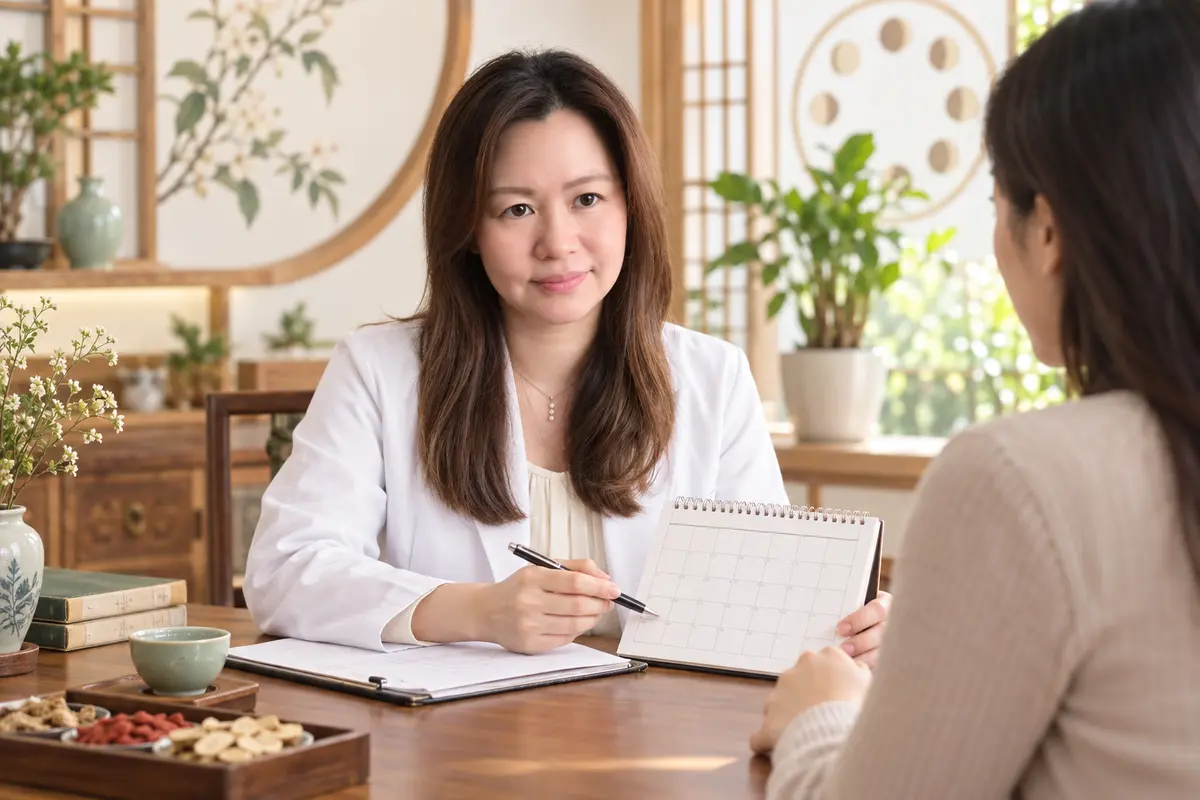
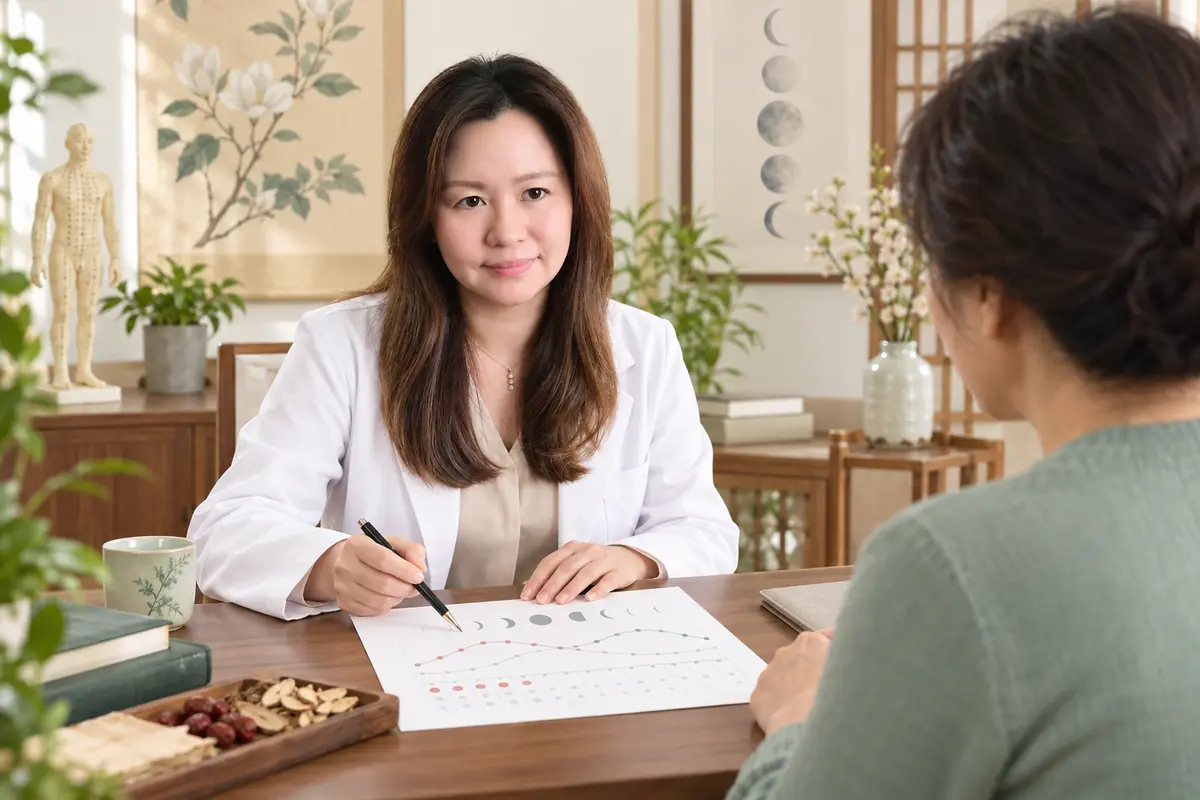
Recording cycles, hot flushes, awakenings, daytime energy, caffeine and stress can reveal patterns. TCM considers menstrual stage, temperature, sweating, emotion and digestion, but not every sleep problem should be attributed to hormones or a single constitutional pattern.
Persistent sleep disruption, heavy menstrual bleeding, marked palpitations, low mood, loud snoring or waking short of breath deserves medical assessment.
Postnatal insomnia involves feeding, support, pain and possible anxiety or depression; perimenopausal care may address night sweats. Priorities differ by life stage and should not be reduced to one pattern.